

Introduction
Sendha Namak, also known as rock salt, occupies a unique position in Ayurveda and Indian dietary practice. Unlike refined table salt, Sendha Namak is traditionally valued for its digestive support, metabolic balance, and gentler effect on the body. It is widely used during fasting (Upvas), in therapeutic diets, and in patients with weak digestion.
However, modern confusion between “natural” and “healthy” has created misinformation. This article clarifies what Sendha Namak truly is, how it works according to Ayurveda and modern physiology, and who should or should not use it.

What Is Sendha Namak?
Sendha Namak is a naturally occurring crystalline salt, mined from ancient seabeds and mountain ranges. Unlike industrial salt, it undergoes minimal processing, retaining trace minerals in small but physiologically relevant amounts.
Key Characteristics
Pale pink to off-white crystalline structure
Less sodium chloride density than refined salt
Mild taste and cooling effect (Sheetala Guna)
Traditionally purified before medicinal use.

Ayurvedic Properties of Sendha Namak
According to Ayurveda, Sendha Namak belongs to Lavana Rasa, but its effect differs significantly from common salt.
Ayurvedic Guna & Karma
Rasa (Taste): Lavana
Guna (Qualities): Snigdha, Laghu
Virya (Potency): Sheeta
Vipaka: Madhura
Dosha Effect:
Balances Vata
Does not aggravate Pitta like refined salt
Used cautiously in Kapha dominance
Because of these properties, Sendha Namak is preferred in fever, indigestion, fasting, and convalescence diets.
Digestive Benefits (Agni Support)
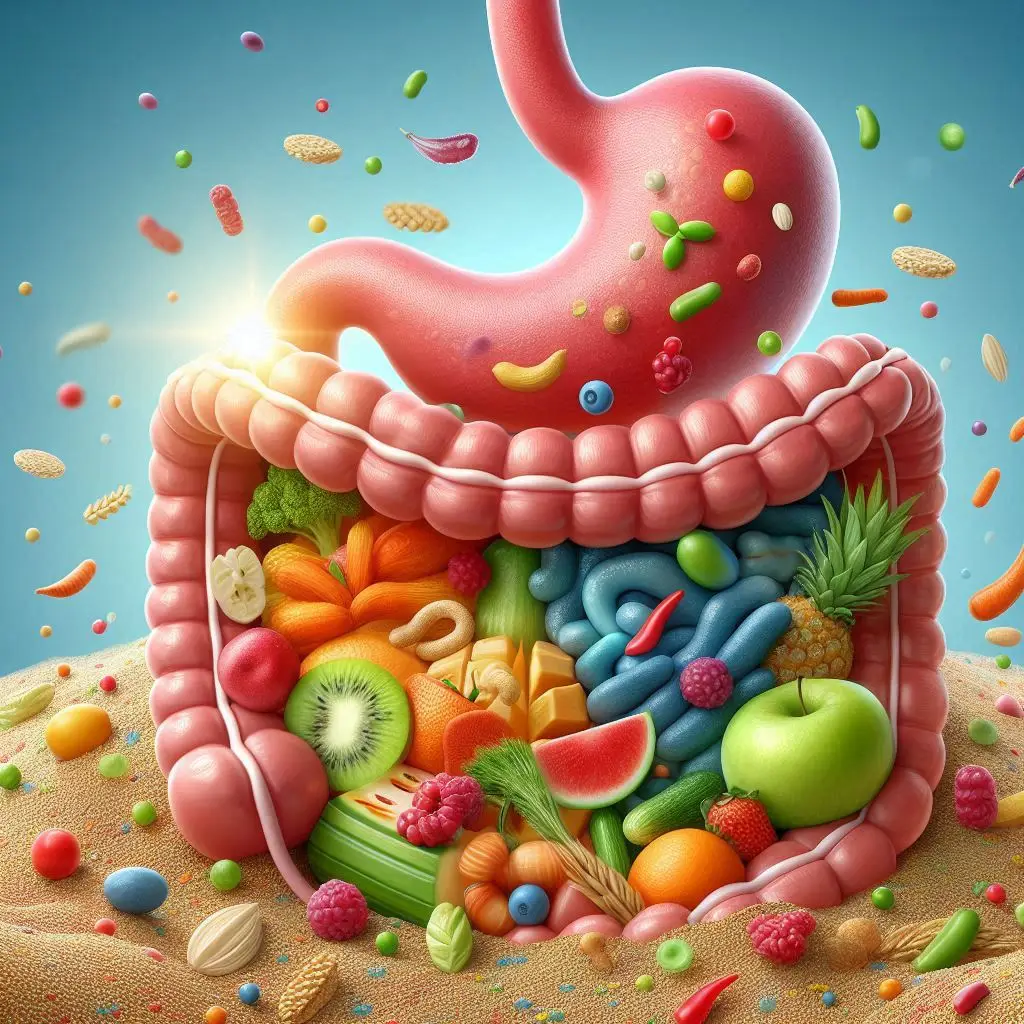
One of the primary uses of Sendha Namak in Ayurveda is to support Jatharagni.
How It Helps Digestion
Stimulates digestive secretions mildly
Reduces bloating and abdominal heaviness
Helps manage Ajirna (indigestion)
Assists in reducing Ama formation when used correctly
Sendha Namak is often included in formulations for:
Loss of appetite
Gas and flatulence
Weak digestion after illness

Sendha Namak vs Refined Table Salt
This comparison matters clinically, not emotionally.
| Aspect | Sendha Namak | Refined Table Salt |
|---|---|---|
| Processing | Minimal | Heavy chemical refining |
| Sodium load | Slightly lower | High |
| Additives | None | Anti-caking agents |
| Effect on Agni | Supports | Often aggravates |
| Ayurvedic use | Yes | Limited |
Refined salt may increase water retention, blood pressure, and Pitta imbalance, especially when overused.

Modern Scientific Explanation (Simplified)
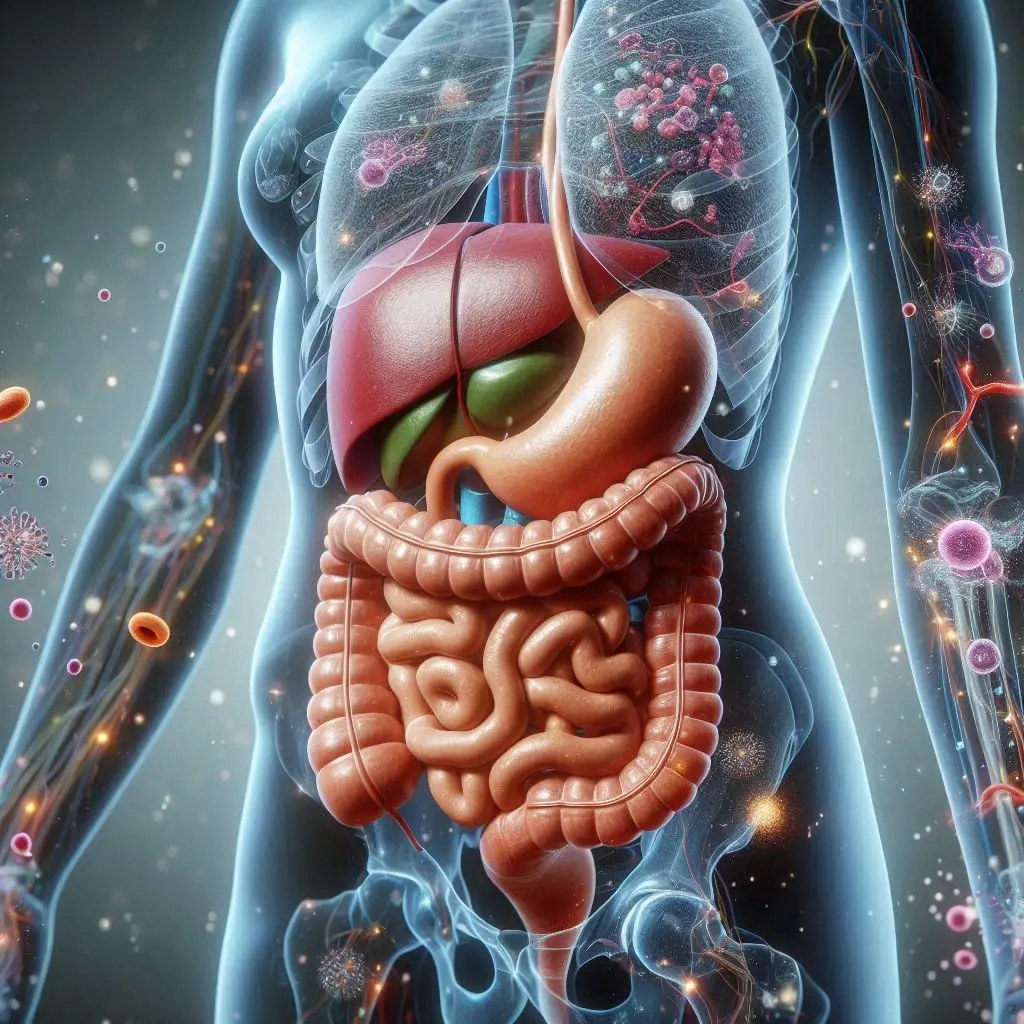
From a modern physiological perspective, dietary salt primarily influences fluid balance, nerve transmission, muscle contraction, and blood pressure regulation. Sodium ions help maintain extracellular fluid volume and play a critical role in neuromuscular signaling and acid–base balance.
However, excessive sodium intake increases water retention and vascular resistance, which may contribute to elevated blood pressure. According to global salt intake recommendations published by the World Health Organization, daily salt consumption should remain below 5 grams to reduce cardiovascular risk.
Scientific literature further explains that chronic high sodium intake affects renal sodium handling, arterial stiffness, and sympathetic nervous system activity. Multiple PubMed indexed studies on sodium and blood pressure confirm that long-term excess sodium consumption can negatively impact cardiovascular and metabolic health.
Sendha Namak contains sodium chloride like all salts, but its advantage lies in purity, absence of chemical additives, and digestive compatibility, not in unlimited use. When consumed in moderation within recommended limits, it may be better tolerated in individuals with sensitive digestion, while still requiring quantity control in conditions such as hypertension or kidney disorders.
Modern Scientific Explanation (Simplified)
From a modern physiological perspective, dietary salt primarily influences fluid balance, nerve transmission, muscle contraction, and blood pressure regulation. Sodium ions help maintain extracellular fluid volume and play a critical role in neuromuscular signaling and acid–base balance.
However, excessive sodium intake increases water retention and vascular resistance, which may contribute to elevated blood pressure. According to global salt intake recommendations published by the World Health Organization, daily salt consumption should remain below 5 grams to reduce cardiovascular risk.
Scientific literature further explains that chronic high sodium intake affects renal sodium handling, arterial stiffness, and sympathetic nervous system activity. Multiple PubMed indexed studies on sodium and blood pressure confirm that long-term excess sodium consumption can negatively impact cardiovascular and metabolic health.
Sendha Namak contains sodium chloride like all salts, but its advantage lies in purity, absence of chemical additives, and digestive compatibility, not in unlimited use. When consumed in moderation within recommended limits, it may be better tolerated in individuals with sensitive digestion, while still requiring quantity control in conditions such as hypertension or kidney disorders.

Use of Sendha Namak in Fasting (Upvas)
Ayurveda permits Sendha Namak during fasting because:
It does not excessively stimulate Pitta
It supports digestion without heaviness
It prevents dizziness due to electrolyte imbalance
This is why Sendha Namak is traditionally allowed during Ekadashi, Navratri, and therapeutic fasts.


Who Should Use It Carefully
Sendha Namak is gentler, not magical.
Use With Caution If You Have:
Severe Kapha imbalance
Medical supervision is advised in chronic conditions.
How Much Sendha Namak Is Safe?
Recommended: Less than 5 g/day (all salts combined)
Best practice: Use as a replacement, not an addition
Switching salts without reducing quantity defeats the purpose.

Common Myths About Sendha Namak
Myth: It does not raise blood pressure
Truth: Excess sodium from any source can raise BP
Myth: It is medicine
Truth: It is a dietary support, not a drug
Myth: More minerals mean more health
Truth: Balance matters more than trace content
Frequently Asked Questions (FAQs)
1. Is Sendha Namak better than normal salt?
Yes, when used in moderation, it is gentler on digestion and metabolism.
2. Can diabetic patients use Sendha Namak?
Yes, but quantity control is essential.
3. Is Sendha Namak safe for daily use?
Yes, if total salt intake remains within limits.
4. Does Sendha Namak help digestion?
It mildly stimulates digestive enzymes and reduces bloating.
5. Can hypertensive patients use it?
Only under dietary supervision. Quantity matters more than type.
Conclusion
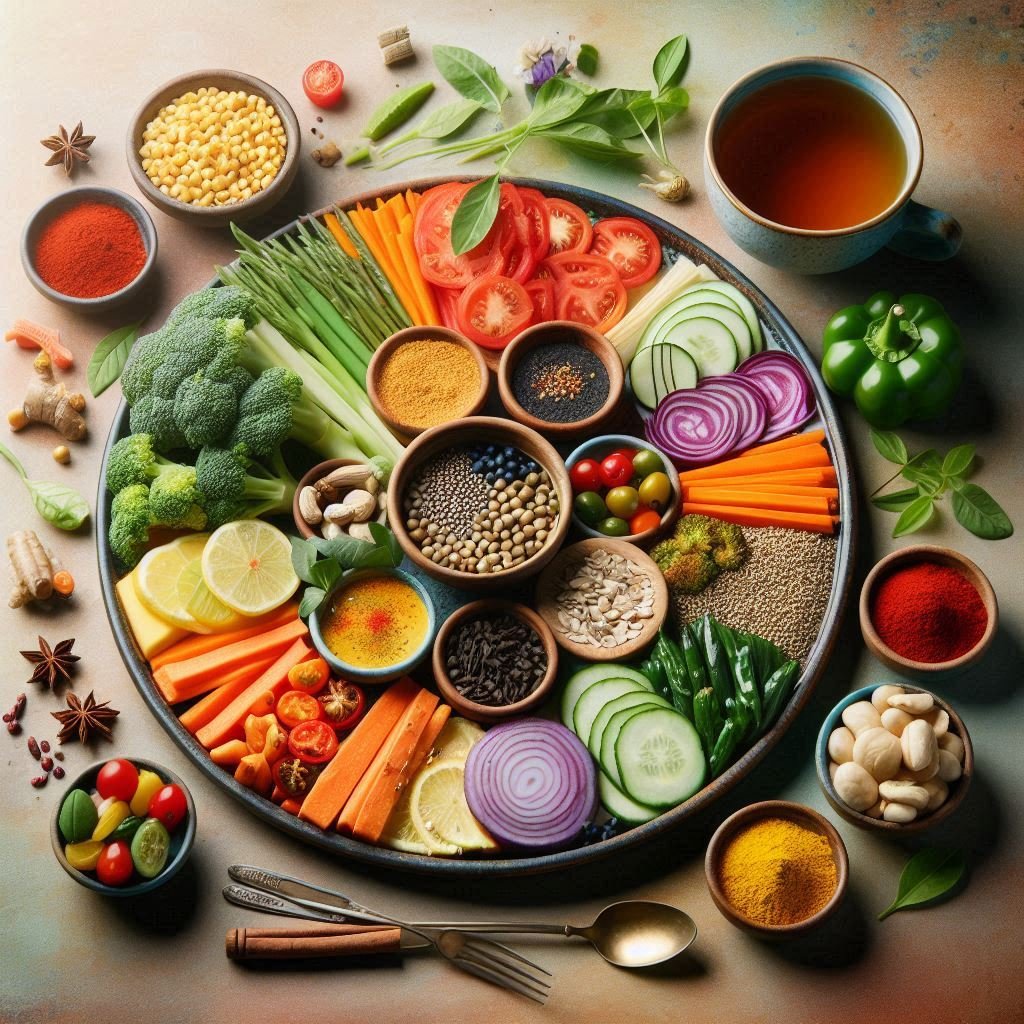
Sendha Namak is not a miracle ingredient, but a better-aligned salt choice according to Ayurvedic principles. Its real benefit lies in purity, moderation, and digestive compatibility.
True health does not come from swapping ingredients blindly, but from understanding how the body responds.
Pingback: 1.3 Lavana Varga – Types of Lavana Varga and it’s Best USES - Dr. Manash Mandal